Infosys' CEO Is Stepping Down. But That's Not the Story Everyone Should Be Talking About.
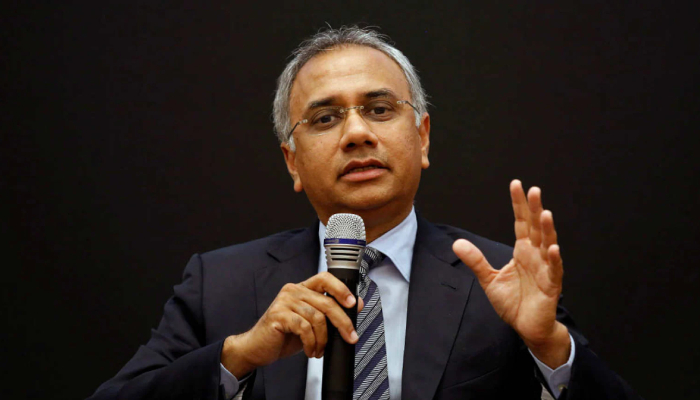
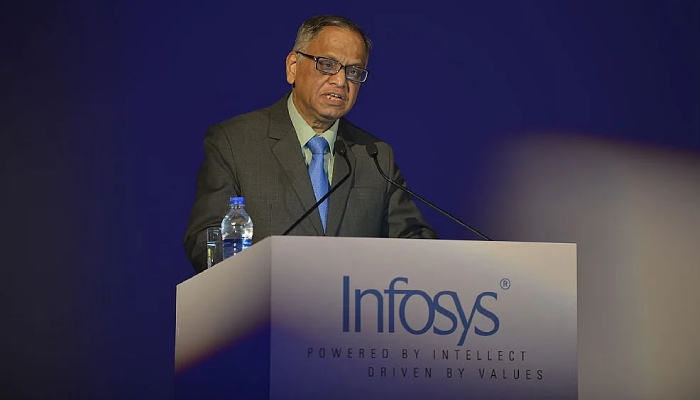
When Infosys announced that Salil Parekh would step down as CEO and Managing Director in April 2027, most headlines focused on one thing: a change at the top.
It’s understandable. After all, Parekh has led Infosys for nearly nine years, making him the longest-serving non-founder CEO in the company’s history. Under his leadership, Infosys strengthened its global presence, delivered consistent financial performance, embraced digital transformation, and helped enterprises navigate the first wave of artificial intelligence.
But if you stop reading at the headline, you’re missing the real story.
This isn’t just about one CEO handing over the reins to another. It’s a signal of where India’s IT industry is headed and what the future looks like for millions of professionals hoping to build a career in technology.
A Leadership Change That Was Years in the Making
Leadership transitions at companies the size of Infosys rarely happen overnight.
For weeks, investors had been wondering whether Salil Parekh’s term would be extended after the company’s Annual General Meeting notice made no mention of another tenure. Instead of allowing speculation to grow, Infosys did something many companies struggle with: it communicated a succession plan well in advance.
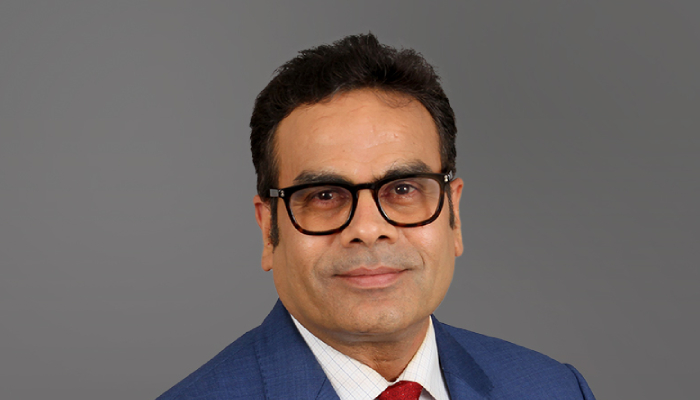
The board appointed Ashiss Kumar Dash as CEO-designate, giving him several months to work alongside Parekh before officially taking charge in April 2027.
That decision says a lot about Infosys.
Rather than searching for a celebrity executive from Silicon Valley or bringing in an outsider with a flashy AI résumé, the company chose someone who has spent more than three decades inside the organization.
In an era where companies often look outside for transformation, Infosys looked inward.
Why Ashiss Kumar Dash Matters
Most people don’t know much about Ashiss Kumar Dash yet, and that’s exactly the point.
His appointment wasn’t driven by headlines. It was driven by experience.
Over the past three decades, Dash has worked across global delivery, customer relationships, enterprise transformation, sustainability, and large-scale business operations. He understands how multinational clients make technology decisions and how complex digital transformation projects are delivered.
In other words, he represents the kind of leader today’s IT companies need.
Not someone who simply understands technology.
Someone who understands technology, business, customers, and change.
The AI Shift Is No Longer Coming. It’s Already Here.
For the last three years, artificial intelligence has dominated conversations across every industry.
- At first, companies experimented.
- Then they launched pilot projects.
- Now they’re investing real money.
- That’s the phase we’re entering.
Organizations no longer ask whether they should use AI. They ask how quickly they can deploy it, where it creates measurable value, and who can help them implement it.
This changes everything for companies like Infosys.
Their clients don’t just want software developers anymore.
They want partners who can redesign business processes, automate operations, integrate AI into existing systems, protect sensitive data, and help employees adapt to new ways of working.
That’s a completely different business.
And it requires a completely different workforce.
The Real Story Is About Jobs
Every time AI makes headlines, the same question follows.
“Will AI take away software jobs?”
It’s the wrong question.
A better question is this:
“What kinds of professionals will companies hire over the next five years?”
The answer is already becoming clear.
Companies aren’t reducing the importance of technical talent.
They’re redefining it.
Knowing Java, Python, or JavaScript is still valuable, but those skills alone are no longer enough to stand out.
Employers increasingly look for professionals who understand cloud platforms, automation, AI-assisted development, cybersecurity, data engineering, and enterprise systems.
The role of a software engineer is evolving into something much broader.
Technology professionals are expected to solve business problems, not just write code.
The Rise of the Business Technologist
One interesting pattern is emerging across India’s largest IT companies.
The professionals moving into leadership positions aren’t necessarily the strongest programmers.
- They’re the strongest problem solvers.
- They understand clients.
- They know industries.
- They communicate effectively.
- They lead teams.
- They manage transformation.
This is exactly why Ashiss Kumar Dash’s appointment is significant.
His career wasn’t built around a single technology.
It was built around understanding how technology creates business value.
That’s becoming one of the most valuable skills in the industry.
There’s Another Message Hidden in This Announcement
For years, people have believed that climbing the corporate ladder requires switching companies every few years.
Infosys just challenged that assumption.
Dash spent more than 30 years building his career inside one organization before becoming CEO-designate.
His journey is a reminder that long-term growth still matters.
Companies continue to reward people who consistently deliver results, build trust, and take on bigger responsibilities over time.
In a world obsessed with quick wins, that’s a refreshing message.
What Every Job Seeker Should Take Away
If you’re a student preparing for your first job, this announcement isn’t just another corporate update.
It’s a preview of the skills companies will value tomorrow.
- Learn AI, but don’t stop there.
- Understand cloud computing.
- Work with data.
- Develop strong communication skills.
- Learn how businesses operate.
- Become someone who can bridge technology and strategy.
- Because that’s where careers are heading.
- The biggest risk isn’t that AI will replace you.
- The biggest risk is assuming your current skills will be enough five years from now.
Final Thoughts
When history looks back at this leadership transition, it probably won’t remember it as simply the day Salil Parekh stepped down.
It will remember it as a moment when one of India’s largest technology companies quietly acknowledged that the next era of IT will look very different from the last.
The next generation of leaders won’t just build software.
They’ll build intelligent businesses.
And the professionals who prepare for that future today won’t just survive the AI era.
They’ll help define it.